Rede C2
  • Overview
  • Sites
  • Protocols
  • Team
Research Network · Brazil

Rede C2

Permanent plots for understanding Caatinga and Cerrado dynamics across Brazil's seasonally dry ecosystems.

Caatinga Cerrado Permanent plots Dry ecosystems
Explore sites See protocols
RedeC2 logo

Comparable field data for conservation, restoration and synthesis.

The RedeC2 network

RedeC2 is a collaborative research network dedicated to understanding the multifunctional dynamics of Brazil's seasonally dry tropical ecosystems, especially Caatinga and Cerrado.

Bringing together researchers from multiple institutions, the network integrates permanent plots, floristic inventories, functional traits and environmental data to investigate how plant communities are structured and how they respond to climatic seasonality, soil conditions and landscape context.

Across different sites and regions, RedeC2 studies how natural gradients and human-driven disturbances influence vegetation structure, successional pathways and the spatial turnover of species.

Overarching goal

Generate robust, comparable data that support conservation planning, ecological restoration and evidence-based management of dry ecosystems in Brazil.

Floristics Dynamics Restoration Open workflows
Sites, data, and outputs
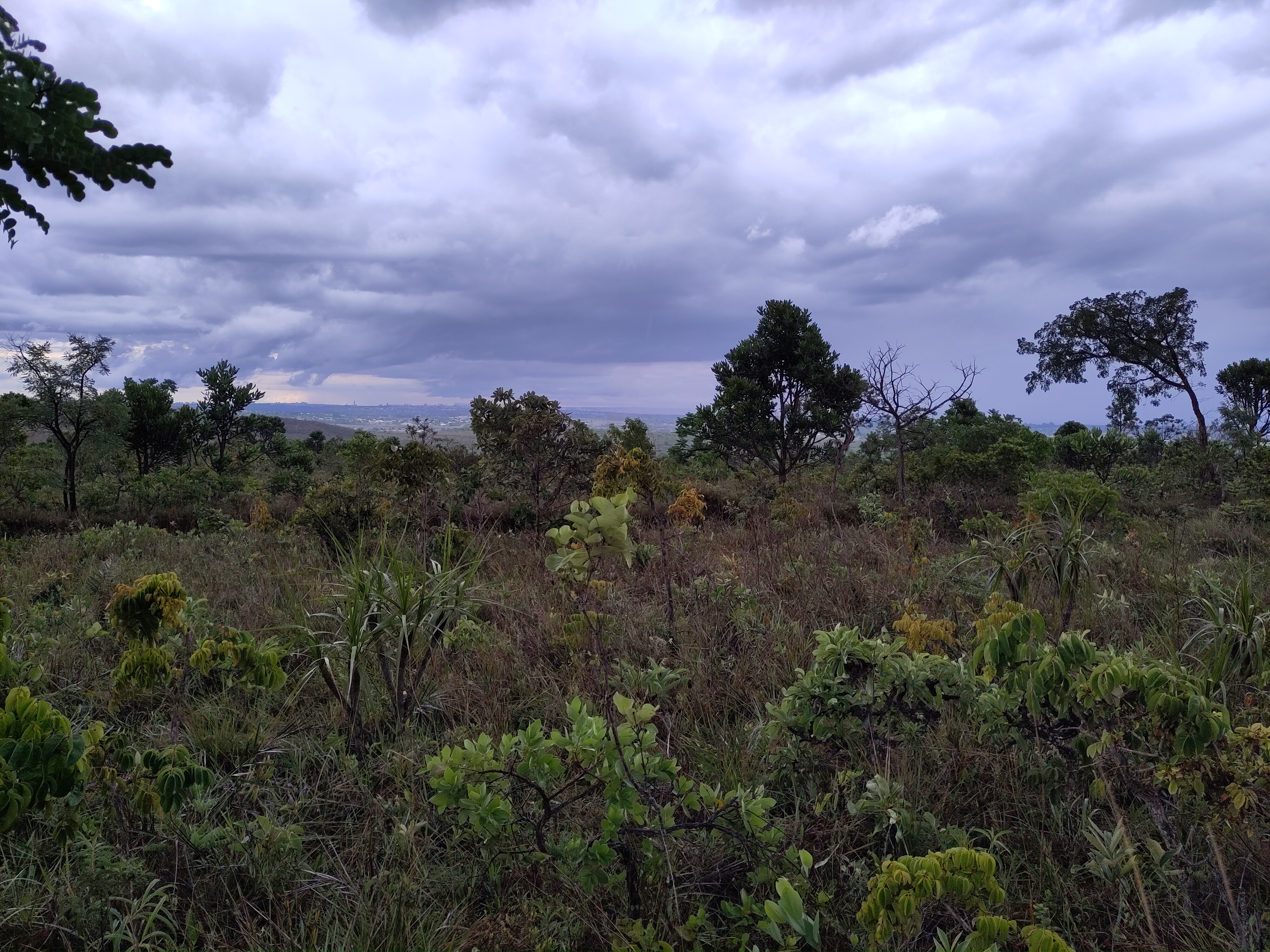
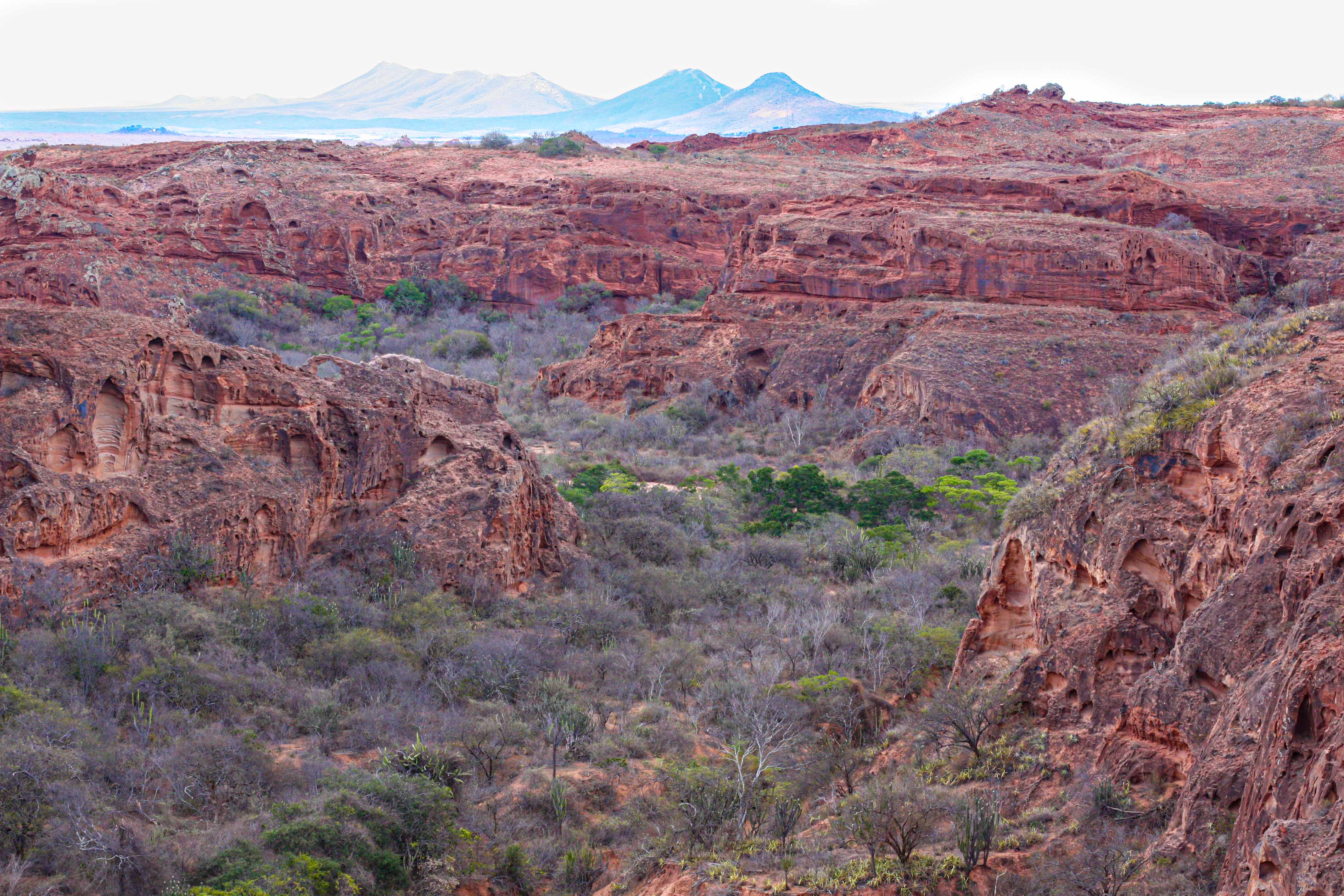
Caatinga landscape

Sites

Permanent plots across Caatinga and Cerrado formations.

01
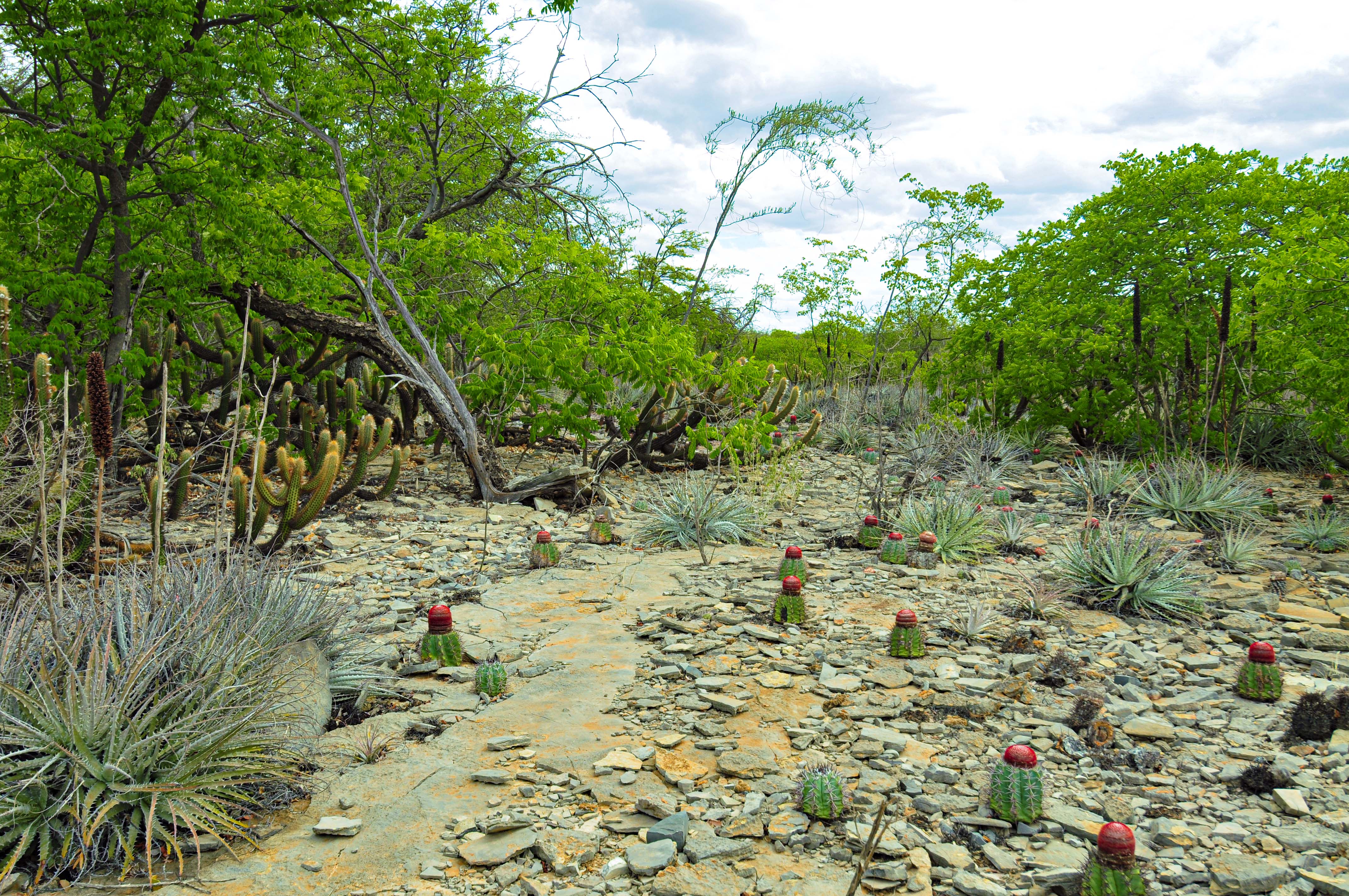
Cerrado landscape

Gradients

Seasonality, soils, structure and landscape context.

02
Dry ecosystem field site

Products

Comparable data for conservation, restoration and synthesis.

03

Integrated monitoring workflow

01 · Permanent plots

Repeated measurements of woody vegetation, herbs, regeneration and coarse woody debris in standardized units.

02 · Species and traits

Floristic inventories, taxonomic standardization and functional trait records connected to ecological gradients.

03 · Environmental context

Climate, soil and landscape layers combined with field records for cross-site comparability.

04 · Synthesis

Outputs for ecological theory, biodiversity conservation, restoration planning and public decision-making.
Participating institutions

Empresa Brasileira de Pesquisa Agropecuária (EMBRAPA)
Institut de Recherche pour le Développement (IRD)
Instituto de Pesquisas Jardim Botânico do Rio de Janeiro (JBRJ)
Royal Botanic Gardens, Kew
Serviço Florestal Brasileiro (SFB)
Universidade do Estado de Mato Grosso (UNEMAT – Cáceres)
Universidade Estadual Paulista (UNESP – Rio Claro)
Universidade Federal de Lavras (UFLA)
Universidade Federal de Minas Gerais (UFMG)
Universidade Federal de Pernambuco (UFPE)
Universidade Federal do Ceará (UFC)
Universidade Federal do Vale do São Francisco (UNIVASF)
Università di Torino (UniTO)
University of Exeter

Contact

Email

[email protected]

Repository

github.com/C2rede

Rede C2
Rede C2
Contato
[email protected]
Código-fonte
GitHub